Knee Preserving Surgery Overview

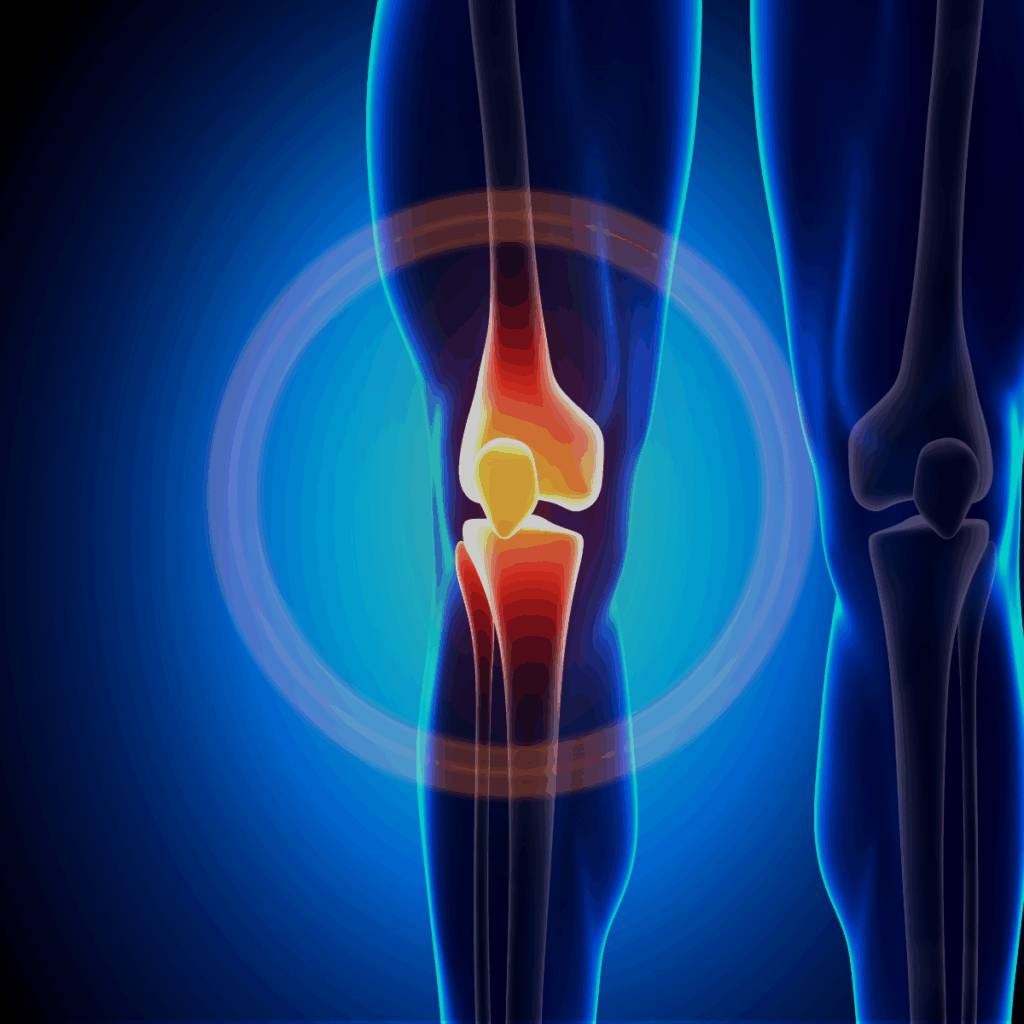
Knee Preserving Surgery refers to procedures aimed at relieving pain, correcting deformities, and restoring function without removing the entire knee joint. These surgeries are ideal for patients with early to moderate knee arthritis, localized damage, or ligament injuries who want to delay or avoid total knee replacement.

Types of Knee Preserving Surgery

1. Osteotomy (Bone Realignment)

  • Realigns the knee by cutting and repositioning the bone

  • Shifts weight from the damaged compartment to a healthier area

  • Ideal for bow legs (varus) or knock knees (valgus) with early arthritis

2. Cartilage Restoration Procedures

  • Microfracture, autologous chondrocyte implantation, or stem cell therapy

  • Helps repair damaged cartilage and delay progression of arthritis

3. Ligament Reconstruction

  • ACL, PCL, or other ligament repair to restore stability

  • Prevents further joint degeneration due to instability

4. Partial Knee Replacement (Unicompartmental Knee Arthroplasty)

  • Replaces only the damaged compartment of the knee

  • Preserves healthy bone and cartilage in other parts

  • Faster recovery and more natural knee function compared to total knee replacement

Benefits of Knee Preserving Surgery

  • Maintains most of the natural knee structure

  • Relieves pain and improves mobility

  • Delays or avoids total knee replacement

  • Faster recovery with less invasive procedures

  • Improved joint function and long-term outcomes

Who Can Benefit

  • Patients with early or localized arthritis

  • Young or active individuals

  • Patients with knee deformities but otherwise healthy joint compartments

  • Individuals wishing to postpone total knee replacement

Dr. Faiz Ahmad

Consult Dr. Faiz Ahmad

Dr. Faiz Ahmad is an expert in knee preservation techniques, offering:

A consultation can help determine the most suitable knee-preserving option based on the patient’s condition, age, and lifestyle.